
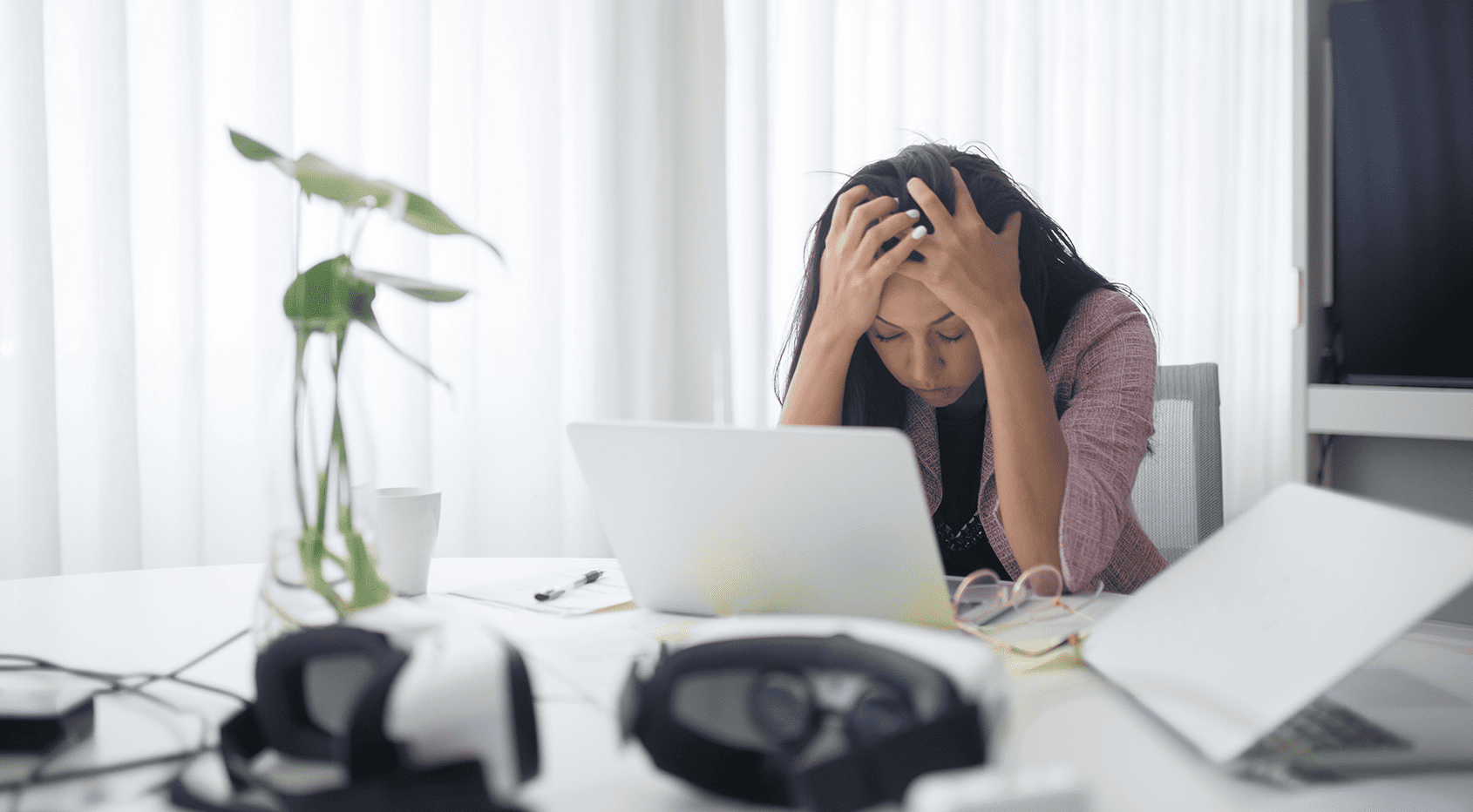
Learning how to deal with anxiety and stress is now more essential than ever for maintaining a healthy and balanced life. Because, anxiet and stress have become a part of modern life, affecting people of all ages. While occasional stress is a normal response to challenging situations, ongoing anxiety and chronic stress can impact your physical health, emotional well-being, relationships, and daily productivity.
The good news is that small lifestyle changes can make a significant difference. From getting enough sleep and staying physically active to practicing relaxation techniques and eating nutritious foods, there are many practical ways to reduce stress naturally.
This guide explains the common symptoms, possible causes, and effective strategies to help you manage stress and anxiety in a healthier way.
What are the Symptoms of Stress and Anxiety ?
Stress is your body’s natural response to pressure or demanding situations. Anxiety, on the other hand, is a feeling of excessive worry or fear that may continue even when there is no immediate danger. While they are closely related, they are not the same.
Understanding the symptoms is the first step in learning how to deal with anxiety and stress effectively.
Emotional Symptoms –
- Constant worrying or overthinking
- Feeling overwhelmed or restless
- Irritability and mood swings
- Difficulty concentrating
- Feeling nervous or fearful without a clear reason
Physical Symptoms –
- Increased heart rate
- Muscle tension
- Headaches
- Fatigue
- Digestive discomfort
- Trouble sleeping
- Sweating or trembling
Behavioral Symptoms –
- Avoiding social interactions
- Difficulty making decisions
- Changes in eating habits
- Reduced productivity
- Increased dependence on unhealthy coping habits
If these symptoms persist for several weeks or begin interfering with your daily life, it is important to seek support from a qualified healthcare professional.
What are the Reasons of Anxiety and Stress?
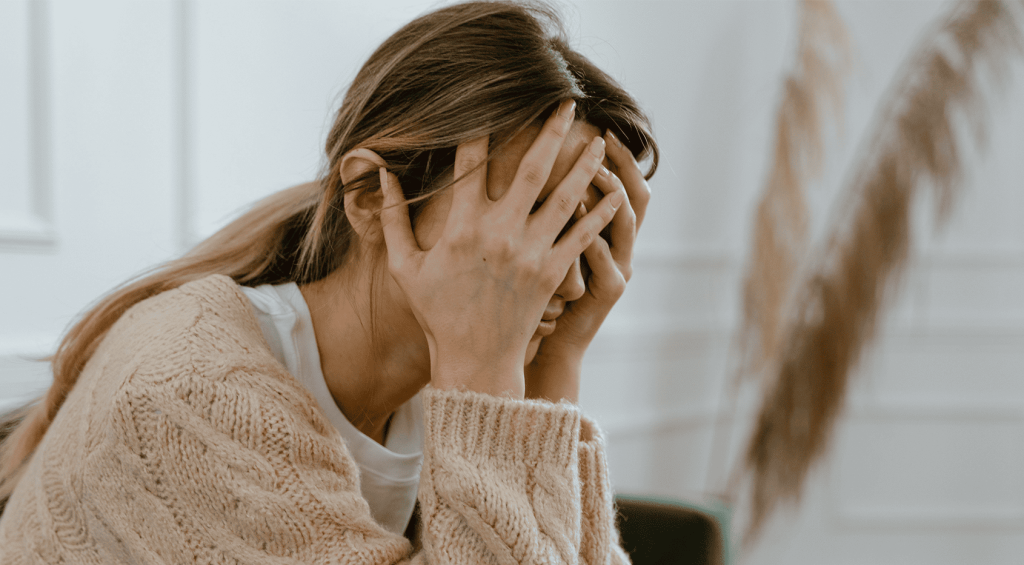
Everyone experiences stress differently, and the causes often vary from person to person. Identifying your triggers can help you understand how to deal with anxiety and stress more effectively.
Some common causes include:
- Work pressure and deadlines
- Financial difficulties
- Relationship conflicts
- Academic challenges
- Family responsibilities
- Health concerns
- Major life changes
- Social isolation
- Excessive use of social media
- Lack of sleep and poor lifestyle habits
Sometimes, anxiety may develop without a single identifiable cause. Genetics, personality traits, and certain medical conditions can also contribute to anxiety disorders.
What are the Ways to Relieve Stress and Anxiety?
While you may not always be able to eliminate stress completely, you can develop healthier habits that reduce its impact. Here are practical strategies that can help improve your emotional and physical well-being.
(i.) Use Relaxation Techniques
Relaxation techniques help calm the nervous system and reduce the body’s stress response. Practicing these methods regularly can improve emotional resilience and reduce anxious thoughts.
(a.) Diaphragmatic Breathing
Also known as belly breathing, diaphragmatic breathing encourages slow, deep breaths that activate the body’s relaxation response.
A simple method includes:
- Sit comfortably.
- Place one hand on your chest and the other on your stomach.
- Slowly inhale through your nose.
- Allow your stomach to expand.
- Exhale gently through your mouth.
Repeating this exercise for five to ten minutes can help reduce immediate feelings of anxiety.
(b.) Meditation
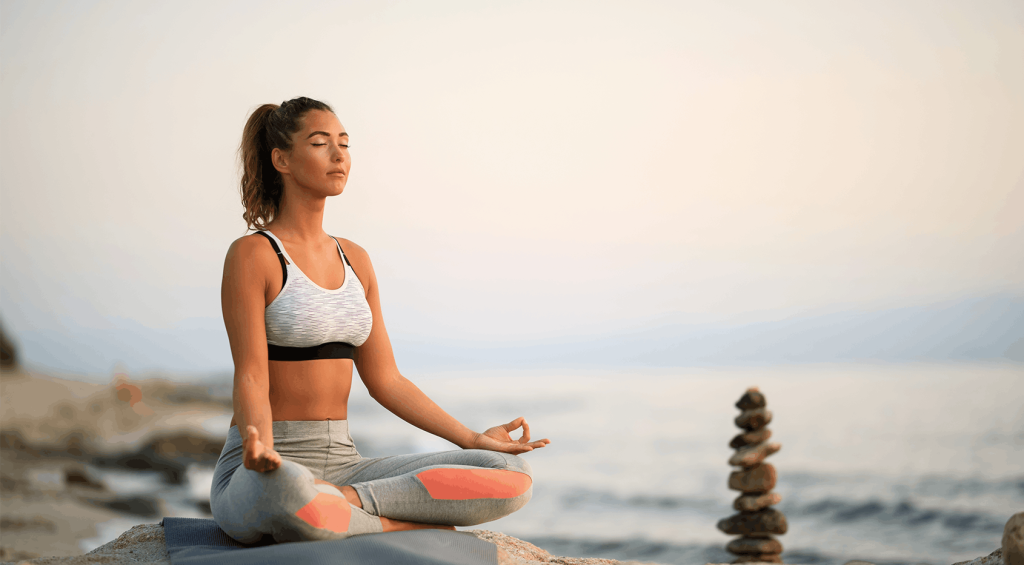
Mindfulness meditation encourages you to focus on the present moment instead of worrying about the future or dwelling on the past.
Even 10 to 15 minutes of daily meditation may help:
- Reduce anxious thoughts
- Improve concentration
- Lower stress levels
- Promote emotional balance
Many people searching for how can you cope with anxiety find that regular mindfulness practice becomes an effective long-term habit.
If you’re looking for how to relieve stress and anxiety, aim for at least 30 minutes of moderate physical activity on most days of the week.
(ii.) Prioritize Sleep
Sleep is one of the most important factors affecting mental health. Poor sleep can increase stress hormones, making anxiety feel more intense the following day.
To improve sleep quality:
- Maintain a consistent bedtime schedule.
- Avoid caffeine late in the evening.
- Keep your bedroom cool, dark, and quiet.
- Avoid using electronic devices before sleeping.
- Create a relaxing nighttime routine.
Getting seven to nine hours of quality sleep each night helps your brain recover and improves emotional regulation, making it easier to manage daily challenges.
(iii.) Spend Time with Loved Ones
If you’re wondering how do you cope with anxiety, one of the simplest answers is not to face it alone. Strong social connections play an important role in mental health. Spending quality time with family members, friends, or trusted colleagues can help reduce feelings of loneliness and provide emotional support during difficult times.
Talking openly about your feelings often helps you process emotions more effectively. Sometimes, simply knowing someone is willing to listen can make stressful situations feel more manageable.
(iv.) Maintain Regular Physical Activity
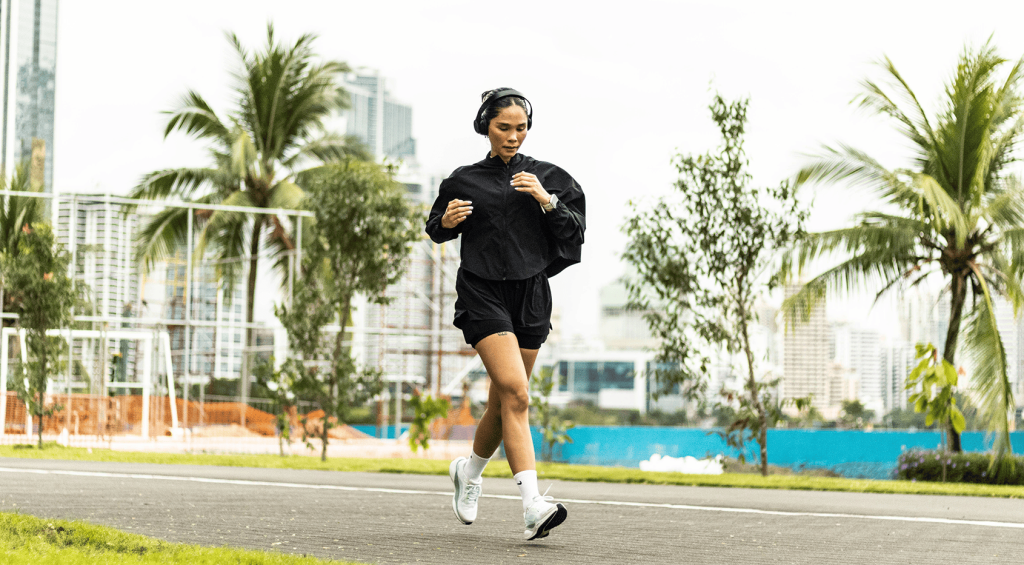
Regular exercise is one of the most effective natural ways to improve mental health. Physical activity stimulates the release of endorphins, which are chemicals that naturally boost mood and reduce stress.
You don’t have to spend hours in the gym. Even simple activities can help, including:
- Walking
- Jogging
- Cycling
- Yoga
- Dancing
- Swimming
(v.) Prioritize a Nutritious Diet
Nutrition has a direct impact on brain health and emotional well-being. A balanced diet provides essential nutrients that support healthy brain function and help regulate mood.
Include foods such as:
- Fresh fruits and vegetables
- Whole grains
- Lean proteins
- Nuts and seeds
- Healthy fats
- Plenty of water
Limiting highly processed foods, excessive sugar, and large amounts of caffeine may also help reduce feelings of nervousness.
When combined with regular exercise and quality sleep, healthy eating becomes an important part of how to deal with anxiety and stress naturally.
(vi.) Avoid or Limit Alcohol
Many people use alcohol to temporarily escape stress. However, alcohol can actually worsen anxiety over time by affecting brain chemistry and disrupting sleep.
Reducing or avoiding alcohol may help improve mood, energy levels, and emotional stability. Choosing healthier coping strategies instead of relying on alcohol supports long-term mental well-being.
(vii.) Minimize Screen Time
Constant exposure to news, social media, and digital notifications can increase anxiety and stress. Comparing yourself to others online or consuming negative content for long periods may affect your mental well-being.
Try these simple habits:
- Set daily screen time limits.
- Turn off unnecessary notifications.
- Take regular breaks from your phone.
- Avoid screens before bedtime.
- Spend more time outdoors or pursuing hobbies.
Creating healthier digital habits is another effective approach to relieve stress and anxiety while improving focus and overall mood.
(viii.) Seek Professional Stress Management Counselling like Sukoon
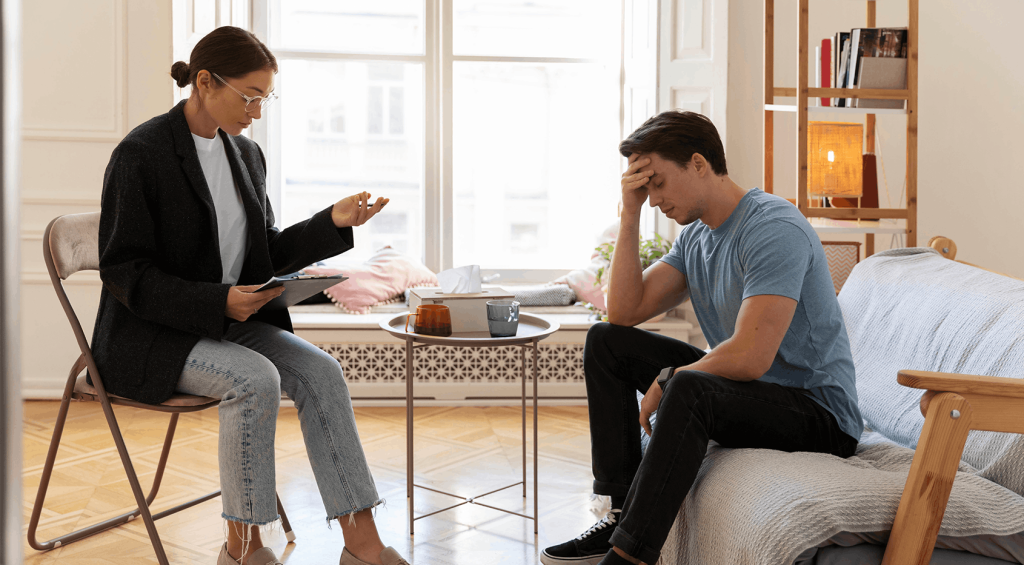
Sometimes, stress and anxiety become too overwhelming to manage on your own. If your symptoms persist or begin affecting your work, relationships, or daily life, speaking with a qualified mental health professional can make a significant difference.
Online stress management counselling provides a safe and confidential space to discuss your concerns, identify the root causes of stress, and learn practical coping strategies tailored to your needs. With professional guidance, you can build healthier habits, improve emotional resilience, and develop long-term techniques for managing anxiety.
If you’re looking for convenient support, Sukoon offers online stress management counselling sessions with experienced professionals who can help you better understand your emotions and guide you toward a healthier, more balanced life.
FAQs –
(i.) Can stress and anxiety affect physical health?
Yes. Chronic stress and anxiety can lead to physical symptoms such as headaches, muscle tension, fatigue, digestive issues, increased heart rate, and sleep disturbances. Managing stress early can help improve both your mental and physical well-being.
(ii.) How long does it take to recover from stress and anxiety?
Recovery varies from person to person and depends on the underlying cause and severity of the symptoms. Some people notice improvements within a few weeks after adopting healthy lifestyle habits, while others may benefit from ongoing professional support or counselling.
(iii.) Is online stress management counselling effective?
Yes. Online stress management counselling can be an effective option for many individuals. It provides convenient access to qualified professionals who can help you understand your stress triggers, develop healthy coping strategies, and improve your emotional well-being from the comfort of your home.
Conclusion
Learning how to deal with anxiety and stress is not about eliminating every challenge from your life—it is about developing healthy habits that help you respond more effectively to difficult situations. Small, consistent changes such as spending time with loved ones, getting enough sleep, exercising regularly, eating nutritious foods, practicing breathing exercises and meditation, limiting alcohol, and reducing screen time can all contribute to better mental well-being.
Remember that everyone experiences stress differently, and there is no single solution that works for everyone. If anxiety becomes persistent, overwhelming, or begins interfering with your daily activities, seeking help from a qualified mental health professional is an important step. With the right support and healthy coping strategies, it is possible to improve your emotional resilience and enjoy a healthier and more balanced life with confidence.