

Every relationship experiences disagreements and difficult moments, but there is a significant difference between occasional conflict and an unhealthy relationship pattern. Recognizing the signs of a toxic relationship early can help protect your emotional well-being, improve your self-esteem, and guide you toward making healthier decisions.
A toxic relationship often involves repeated behaviors that leave one or both partners feeling emotionally drained, disrespected, manipulated, or unsafe. While every relationship has challenges, healthy relationships are built on trust, communication, respect, and mutual support.
In this article, we’ll explore what a toxic relationship is, the most common warning signs, whether it can be repaired, and when seeking professional relationship counselling may be the best step forward.
What Is a Toxic Relationship?
A toxic relationship is an unhealthy relationship where one or both partners repeatedly engage in behaviors that harm each other’s emotional, mental, or even physical well-being. Instead of feeling loved, respected, and supported, you may experience constant stress, anxiety, self-doubt, fear, or emotional exhaustion. Over time, these unhealthy patterns can affect your confidence, happiness, and overall quality of life.
Recognizing the warning signs of a toxic relationship is the first step toward protecting your well-being. The earlier you identify these red flags, the easier it becomes to set healthy boundaries, seek professional relationship counselling if needed, and work toward building a healthier, more respectful relationship.
What are the Signs of a Toxic Relationship?
The signs of a toxic relationship are not always obvious. While some relationships involve emotional or physical abuse, many become toxic gradually through poor communication, constant criticism, manipulation, jealousy, controlling behavior, dishonesty, or a lack of trust and respect. These behaviors often start small but can grow into long-term patterns that damage emotional intimacy and create an unhealthy relationship dynamic. Here are some of the most common warning signs a relationship is toxic –
(i.) Lack of Support

In a healthy relationships, partners celebrate each other’s successes, provide comfort during difficult times, and inspire one another to grow. Knowing that someone believes in you creates a strong foundation of emotional security.
In a toxic relationship, that support is often missing. Instead of celebrating your achievements, your partner may ignore them, downplay your efforts, or respond with criticism, jealousy, or negativity. During challenging times, they may be emotionally unavailable or dismissive, leaving you to face your struggles alone. Over time, you may stop sharing your goals, dreams, or accomplishments because you expect discouragement rather than support.
When your partner consistently fails to encourage your growth or stand by you when you need them most, it can damage your confidence and self-esteem. This lack of emotional support is one of the most common signs of a toxic relationship and a clear indication that the relationship may no longer be healthy.
(ii.) It’s All About the Other Person
Healthy relationships are built on equality, mutual respect, and shared effort. Both partners should feel heard, valued, and involved in important decisions. When only one person’s needs, opinions, and emotions consistently matter, the relationship becomes unbalanced.
In a toxic relationship, conversations often revolve around one partner, while your thoughts and feelings are ignored or dismissed. Major decisions may be made without your input, and you may find yourself constantly compromising to keep the peace. Over time, you start putting their happiness before your own, sacrificing your needs just to avoid arguments or disappointment.
This ongoing imbalance can slowly erode your confidence, self-worth, and emotional well-being. If you constantly feel like your voice doesn’t matter or your needs are never a priority, it may be one of the most significant signs that a relationship is toxic.
(iii.) Emotional Manipulation

Displeased woman refusing to talking with her boyfriend while having an argument at home.
In a toxic relationship, emotional manipulation is often used to control your thoughts, emotions, or decisions. Instead of taking responsibility for their actions, a toxic partner may shift the blame, distort the truth, or make you question your own feelings and experiences.
Common examples of emotional manipulation include:
- Making you feel guilty for setting healthy boundaries
- Twisting conversations to make you question yourself
- Playing the victim to avoid taking responsibility
- Making you feel responsible for their emotions or happiness
- Using silent treatment or guilt to control your behavior
Over time, this behavior can weaken your self-confidence, make you doubt your own judgment, and create emotional dependence. If you constantly feel confused, guilty, or responsible for your partner’s actions.
(iv.) Isolation from Friends and Family
A healthy relationship encourages you to maintain meaningful connections with the people who matter most. A supportive partner respects your independence, values your personal relationships, and understands that spending time with family and friends is essential for your emotional well-being.
In a toxic relationship, however, a partner may try to isolate you from your support system. They might constantly criticize your loved ones, start arguments before social events, make you feel guilty for spending time with others, or pressure you to choose them over everyone else. Over time, this isolation can leave you feeling lonely, emotionally dependent, and without the support you need.
(v.) Controlling Behavior
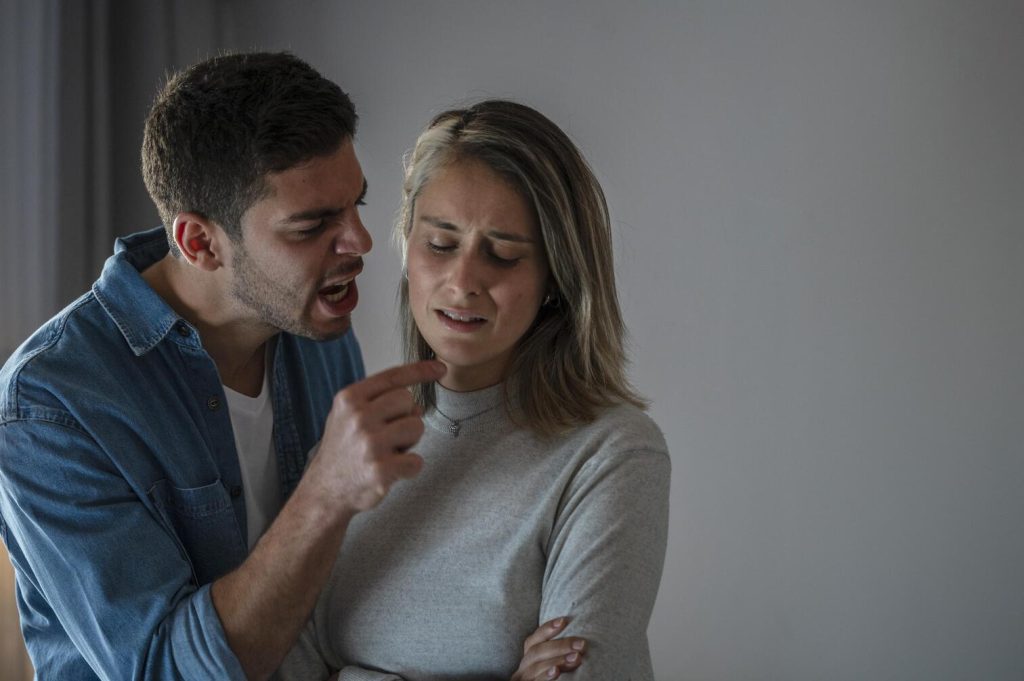
In a toxic relationship, control often develops gradually and is disguised as love, care, or concern. A controlling partner may try to influence every aspect of your life, limiting your freedom and making you feel like you constantly need their approval.
Common signs of controlling behavior include:
- Monitoring your phone, messages, or social media
- Deciding who you can meet or spend time with
- Controlling your finances or spending
- Dictating what you wear or how you should behave
- Tracking your location without your consent
- Constantly demanding explanations for your actions
Over time, this behavior can leave you feeling trapped, anxious, and emotionally dependent. Healthy relationships are built on trust—not surveillance or control. If your independence is consistently restricted, it may be one of the most serious signs of a toxic relationship and should never be ignored.
(vi.) Dishonesty
Trust is one of the strongest foundations of any healthy relationship. It creates emotional security, strengthens communication, and allows both partners to feel safe, respected, and valued.
In a toxic relationship, trust is slowly damaged by repeated lies, broken promises, hidden information, or secretive behavior. While an occasional mistake can happen in any relationship, a consistent pattern of dishonesty creates doubt, insecurity, and emotional distance. Over time, you may begin questioning your partner’s words, intentions, and commitment.
When honesty disappears, emotional safety begins to fade as well. Constant uncertainty can lead to anxiety, overthinking, and frequent conflicts. If dishonesty has become a recurring pattern rather than an exception, it is one of the signs a relationship is toxic and a serious warning that trust has been compromised.
(vii.) Constant Stress

In a toxic relationship, however, you may find yourself living in a constant state of anxiety. You might worry about saying the wrong thing, fear triggering an argument, or feel emotionally exhausted after every interaction. Instead of looking forward to spending time with your partner, you may feel tense, overwhelmed, or emotionally drained in their presence.
Over time, this ongoing emotional stress can take a serious toll on your mental well-being, affecting your confidence, sleep, and overall happiness. If your relationship consistently leaves you feeling anxious, fearful, or emotionally exhausted instead of comforted and supported.
(viii.) Patterns of Disrespect
In a toxic relationship, disrespect often becomes a recurring pattern rather than an occasional mistake. A partner may use hurtful words or actions that damage your confidence and make you feel unimportant or undervalued.
Common signs of disrespect include:
- Name-calling or insults
- Public humiliation or embarrassment
- Constant criticism
- Mocking your opinions or beliefs
- Dismissing your thoughts and feelings
- Using sarcasm or hurtful remarks to belittle you
Over time, repeated disrespect can lower your self-esteem, create emotional distance, and make you question your worth. While occasional disagreements are a normal part of any relationship, ongoing disrespect is one of the strongest signs of a toxic relationship and should never be overlooked.
(ix.) Ignoring Your Needs

Concerned serious wife sad about family problem, thinking about relationships ending, husband sitting behind being ignorant and indifferent. Concept of spouse break up, unsuccessful marriage, quarrel
Every person deserves to feel heard, respected, and appreciated in a relationship. Healthy partners listen to each other’s concerns, respect personal boundaries, and make an effort to understand each other’s emotions—even during disagreements.
In a toxic relationship, your feelings, opinions, and emotional needs are often ignored, dismissed, or treated as unimportant. You may feel like your concerns are never taken seriously, your boundaries are repeatedly crossed, or your emotions are labeled as “overreacting” or “too sensitive.” Over time, this can leave you feeling invisible, unsupported, and emotionally disconnected.
As this pattern continues, you may stop expressing your thoughts altogether because you believe they won’t be heard or valued. This emotional neglect can gradually damage your confidence, self-worth, and sense of identity.
(x.) Envy or Jealousy
A small amount of jealousy can occur in relationships, but excessive jealousy often becomes harmful.
A toxic partner may:
- Accuse you without reason
- Become angry when you spend time with others
- Constantly question your loyalty
- Compete with your achievements
- Feel threatened by your success
Persistent jealousy usually reflects insecurity and lack of trust rather than love. Left unresolved, it can develop into controlling behavior and emotional abuse. These recurring patterns are often signs that a relationship is toxic, especially when they limit your freedom or create constant fear of conflict.
Is It Possible to Fix a Toxic Relationship?
Yes, a toxic relationship can become healthier—but only when both partners are genuinely committed to making positive changes. Lasting improvement requires honesty, accountability, mutual respect, and consistent effort from both individuals. Healthy boundaries, open communication, and a willingness to rebuild trust are essential for repairing a damaged relationship.
However, meaningful change is unlikely if only one person is trying. If manipulation, emotional abuse, controlling behavior, or repeated disrespect continue despite honest conversations, it’s important to prioritize your emotional well-being and seek professional support.
Online relationship counselling can provide a safe and confidential space to understand unhealthy relationship patterns, improve communication, rebuild trust, and make informed decisions about your future together. Working with an experienced counsellor can help couples develop healthier habits and stronger emotional connections.
At Sukoon, our experienced relationship counsellors offer online relationship counselling tailored to your unique challenges. Whether you’re struggling with communication issues, trust concerns, recurring conflicts, or emotional distance, we’re here to help you build a healthier, more fulfilling relationship—all from the comfort and privacy of your home.
FAQs –
(i.) What causes a relationship to become toxic?
A relationship can become toxic for many reasons, including poor communication, unresolved conflicts, lack of trust, controlling behaviour, emotional manipulation, jealousy, or untreated personal issues. Identifying these patterns early can help both partners work toward healthier interactions.
(ii.) Can a toxic relationship affect my mental health?
Yes. Being in a toxic relationship can lead to anxiety, stress, low self-esteem, depression, emotional exhaustion, and difficulty trusting others. If your relationship is consistently affecting your mental well-being, it’s important to seek support from trusted loved ones or a qualified counsellor.
(iii.) How do I know if my relationship is unhealthy or just going through a rough phase?
Every relationship experiences challenges, but a healthy relationship involves mutual respect, trust, and a willingness to resolve conflicts together. If criticism, manipulation, control, or emotional distress become ongoing patterns rather than occasional incidents, your relationship may be unhealthy.
(iv.) Should I seek relationship counselling for a toxic relationship?
If both partners are willing to improve the relationship, relationship counselling can be highly beneficial. A professional counsellor can help identify unhealthy patterns, improve communication, rebuild trust, and guide both partners toward healthier relationship habits.
(v.) When is it time to leave a toxic relationship?
If your partner repeatedly refuses to change, ignores your boundaries, manipulates you, or the relationship involves emotional, physical, or psychological abuse, it may be time to prioritize your safety and well-being. Seeking guidance from a mental health professional or trusted support network can help you make an informed decision.
Conclusion
Recognizing the signs of a toxic relationship is the first step toward protecting your emotional well-being and building healthier connections. While every relationship faces challenges, ongoing patterns of manipulation, disrespect, dishonesty, control, emotional neglect, and constant stress should never be normalized.
The good news is that some relationships can improve through mutual effort, honest communication, and professional guidance. However, healthy relationships are built on trust, respect, empathy, and shared responsibility—not fear, control, or emotional exhaustion.
If you recognize several of these warning signs in your own relationship, remember that you don’t have to navigate them alone. Speaking with a qualified relationship counsellor can help you gain clarity, strengthen communication, and make informed decisions about your future.