
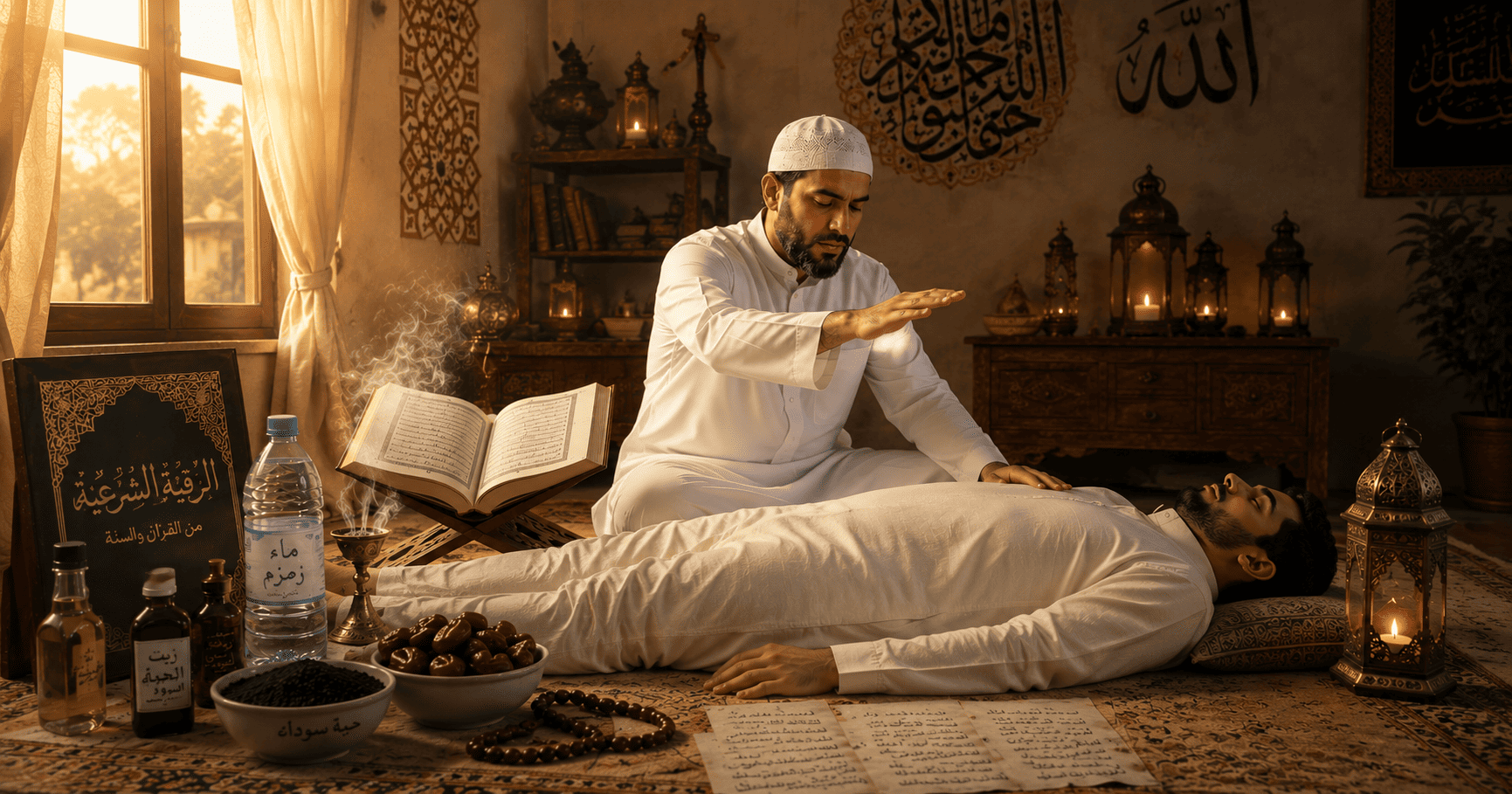
Ruqyah remains one of the most discussed topics in Islamic spiritual practice, yet many people still ask: what is Ruqyah in Islam, its purpose, and correct understanding. From its foundations in the Quran and Sunnah to the principles that guide authentic Ruqyah Shariah, there is often confusion around how it should be performed and what practices align with Islamic teachings.
This article explores important aspects of Ruqyah, including common methods, Quranic verses frequently recited, the difference between self-Ruqyah and practitioner-led support, the role of a Raaqi, and commonly asked questions surrounding the practice.
By understanding these topics together, readers can gain a clearer and more balanced perspective on Ruqyah and its place within Islam.
Meaning and Definition of Ruqyah in Islam
Ruqyah is an Islamic practice in which a person recites verses from the Quran, authentic duas, and words of remembrance while asking Allah for help, healing, and protection. It is not a magical ritual. Its foundation is faith, sincerity, and complete reliance on Allah.
The practice of Ruqyah in Islam is deeply rooted in Islamic teachings and is viewed as a means of seeking spiritual comfort and protection through the remembrance of Allah. Many Muslims turn to Ruqyah during times of hardship, emotional distress, or when seeking peace and reassurance. However, the essence of Ruqyah is not only about seeking relief from difficulties—it is also about strengthening one’s connection with Allah and placing trust in His wisdom and mercy.
Ruqyah in the Quran and Sunnah
The idea of Ruqyah in the Quran and Sunnah is well established in Islamic tradition. The Quran describes itself as a source of healing and mercy for believers, and many Muslims recite Quranic verses as part of their Ruqyah practice.
Several short surahs and verses are especially well known in Ruqyah, including Surah Al-Fatihah, Ayat al-Kursi, Surah Al-Ikhlas, Surah Al-Falaq, and Surah An-Nas. These verses are often recited because they emphasize protection, reliance on Allah, and seeking refuge from harm.
The Sunnah also supports the use of Ruqyah when it remains within Islamic boundaries. The Prophet ﷺ allowed Ruqyah that used permissible words and did not conflict with Islamic belief. This is one of the reasons scholars explain that Ruqyah is valid when it is clean, clear, and rooted in faith.
How to Do Ruqyah in Islam?
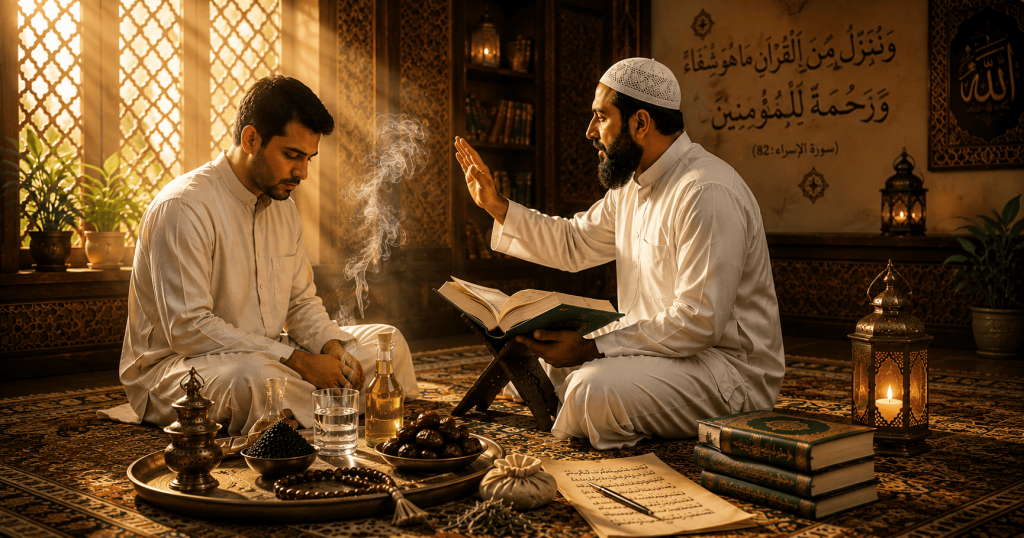
Many people wonder how to do Ruqyah in Islam and whether there is a specific process that must be followed. While methods may vary, authentic Ruqyah should always be performed with sincerity, faith, and reliance upon Allah.
Before beginning Ruqyah, there are a few important principles to keep in mind:
- Intention (Niyyah)
Every action in Islam begins with intention. Before performing Ruqyah, make a sincere intention for Allah’s sake and ask Him for protection, guidance, and relief. The goal should be to seek help from Allah alone and place complete trust in Him. - Conviction and Trust in Allah (Yaqin)
Ruqyah should be performed with certainty and confidence. A person should recite Quranic verses with belief and understanding, remembering that healing and protection come from Allah alone. Reading words without attention or sincerity can reduce the spiritual benefit of the practice. Reflecting on the meanings of the verses can help strengthen focus and connection. - Patience and Consistency
Ruqyah is not always a one-time practice. Like many acts of worship, it may require patience and consistency. Some people maintain a daily routine of Quran recitation and supplication as part of self-Ruqyah. Results and experiences differ from person to person, so it is important to remain patient and continue seeking Allah’s help with sincerity.
What are the Principles and Guidelines for Performing Ruqyah Shariah?
Ruqyah Shariah is guided by principles that help ensure the practice remains authentic and aligned with Islamic teachings. These guidelines provide a framework for understanding how to perform Ruqyah correctly and help distinguish permissible practices from misunderstandings or approaches that may fall outside Islamic boundaries. Following these principles allows Ruqyah to remain rooted in faith, sincerity, and reliance upon Allah.
What Should You Do Before Ruqyah?
Before Ruqyah, it is helpful to prepare with sincerity. A person should make intention sincerely for Allah’s sake, approach the practice with patience, and maintain a calm heart. If possible, being in a state of cleanliness and performing prayer or dua beforehand can help create a more focused atmosphere.
It is also important to remember that Ruqyah in Islam is not a quick fix. It is a means of turning to Allah with humility. Some people may feel immediate relief, while others may need consistency and patience.
What Should You Do During Ruqyah?
During Ruqyah, focus matters more than formality. A person should listen attentively or recite with concentration. It helps to be calm, avoid distractions, and continue asking Allah for help. For those learning how to do Ruqyah, sincerity and focus are often more important than following a complex routine.
If the session causes emotional discomfort, that does not automatically mean something is wrong. Spiritual healing can feel different for different people.
Quran Verses for Ruqyah
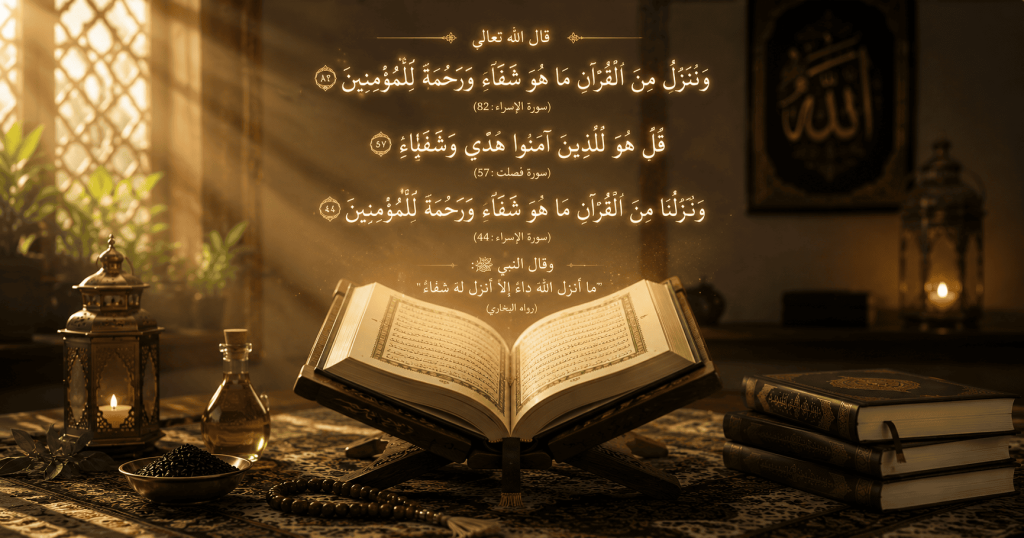
The verses and supplications recited during Ruqyah play an important role in the practice and are often chosen based on authentic Islamic teachings.
Certain Quran verses are commonly associated with Ruqyah because of their strong themes of protection and reliance on Allah.
These include:
- Surah Al-Fatihah
- Ayat al-Kursi from Surah Al-Baqarah
- The last two verses of Surah Al-Baqarah
- Surah Al-Ikhlas
- Surah Al-Falaq
- Surah An-Nas
These verses are widely recited in Ruqyah because they remind the believer that Allah is the Protector, the Sustainer, and the One who has power over all harm. Many Muslims also recite general duas for protection, healing, and ease in addition to these verses. These recitations are also commonly recommended to people searching for guidance on how to do Ruqyah according to authentic Islamic teachings.
Self-Ruqyah vs Practitioner-Led Ruqyah
When people think about Ruqyah in Islam, they often wonder whether they should do it themselves or seek help from someone else.
A person may do Ruqyah for themselves or ask a knowledgeable and trustworthy practitioner to help. In both cases, the belief remains the same: healing comes from Allah alone.
1. Self-Ruqyah
Self Ruqyah is a practice many people choose as part of their personal spiritual routine. A simple self-Ruqyah routine may include reciting Surah Al-Fatihah, Ayat al-Kursi, and the last three surahs of the Quran, then making sincere dua for protection and healing. People often repeat this regularly as part of their spiritual routine.
This is often encouraged because it strengthens personal faith and teaches a person to rely directly on Allah. It also makes the practice more personal and consistent.
For those wondering how to perform Ruqyah on yourself, begin with intention and calm. Recite Quranic verses with focus. Blow lightly into your hands after recitation if following a method you trust, then pass your hands over your body. After that, ask Allah directly for protection, healing, and relief. The key is consistency and sincerity rather than speed or complexity.
Learning how to perform Ruqyah on yourself is not about following a complicated process. Rather, self Ruqyah focuses on sincerity, remembrance of Allah, and developing a stronger spiritual connection through regular practice.
2. Practitioner-Led Ruqyah

Some people prefer practitioner-led Ruqyah when they are looking for guidance, structured support, or feel uncertain about where to begin. In such situations, choosing someone knowledgeable, trustworthy, and grounded in authentic Islamic teachings becomes especially important.
A practitioner who performs Ruqyah is commonly known as a Raqi. A Raqi is a person who performs Ruqyah according to the Quran and Sunnah and helps guide individuals through authentic Islamic practices. Rather than being viewed as someone with special or supernatural powers, a Raqi serves as a facilitator who uses Quranic recitation and authentic supplications while encouraging reliance upon Allah.
Today, many people also look for structured and accessible ways to seek authentic guidance. Platforms like Sukoon aim to support individuals by helping them connect with faith-based guidance in a trusted and organized environment while keeping the focus on authentic Islamic principles.
Signs that Ruqyah is Working?
Experiences after Ruqyah can vary from person to person, and there is no single sign that applies to everyone. Some individuals may notice subtle changes over time, while others may experience improvements gradually. Here are some commonly discussed signs:
- Increased Peace and Emotional Calmness
Some people report feeling more emotionally settled and at ease after regularly practicing Ruqyah. Feelings of fear, restlessness, or emotional heaviness may begin to reduce, creating a greater sense of inner peace. - Improvement in Worship and Spiritual Connection
A stronger desire to pray, recite the Quran, make dua, or engage in acts of worship can sometimes be viewed as a positive sign. Many people describe feeling more spiritually motivated and connected.
- Better Sleep and Reduced Distress
Some individuals notice improvements in sleep quality, fewer disturbing thoughts, or a reduction in feelings of anxiety and stress. Experiences can differ, but emotional comfort is commonly mentioned.
- Gradual Positive Changes in Daily Life
In some cases, people simply feel more balanced, hopeful, and emotionally stable over time. Rather than looking for dramatic experiences, many view gradual positive changes and consistency as meaningful signs.
FAQs
1. Is Ruqyah halal or haram?
Ruqyah is halal when it follows Quran and Sunnah and avoids prohibited practices. If a method involves shirk, unclear symbols, or forbidden beliefs, it should be avoided.
2. How do you know if you need Ruqyah?
People may seek Ruqyah for spiritual protection, emotional ease, or a stronger connection with Allah. If someone feels drawn to authentic Islamic healing, Ruqyah can be a beneficial practice.
3. Does Ruqyah require a special place?
No, Ruqyah does not require a special location. It can be done at home, in a quiet room, or anywhere a person can focus respectfully.
4. What is the best time to do Ruqyah?
There is no fixed time that applies to everyone. Many people find it helpful to do Ruqyah after prayer, in the morning, or during quiet moments when they can focus.
5. Can Ruqyah be done over the phone?
Yes, Ruqyah can be conducted over the phone or through video calls, and many people
today choose this option for convenience and accessibility.
Conclusion
Ruqyah in the Islam shows that spiritual healing must remain connected to faith, sincerity, and proper Islamic guidance. Whether a person choose self-ruqyah or practitioner-led support, the heart of Ruqyah is the same: seeking protection, healing, and comfort from Allah alone.
Understanding Ruqyah is not only about learning specific verses or methods; it is also about strengthening one’s relationship with Allah and placing trust in His wisdom and mercy. The practice reminds believers to turn toward remembrance, dua, and reliance upon Allah during times of difficulty, uncertainty, or emotional hardship.
For anyone looking to understand Ruqyah Shariah more deeply, the best approach is to keep the practice simple, authentic, and rooted in the Quran and Sunnah. By focusing on sincerity, patience, and consistency, a person can develop a more balanced understanding of Ruqyah and its role within Islamic teachings.