
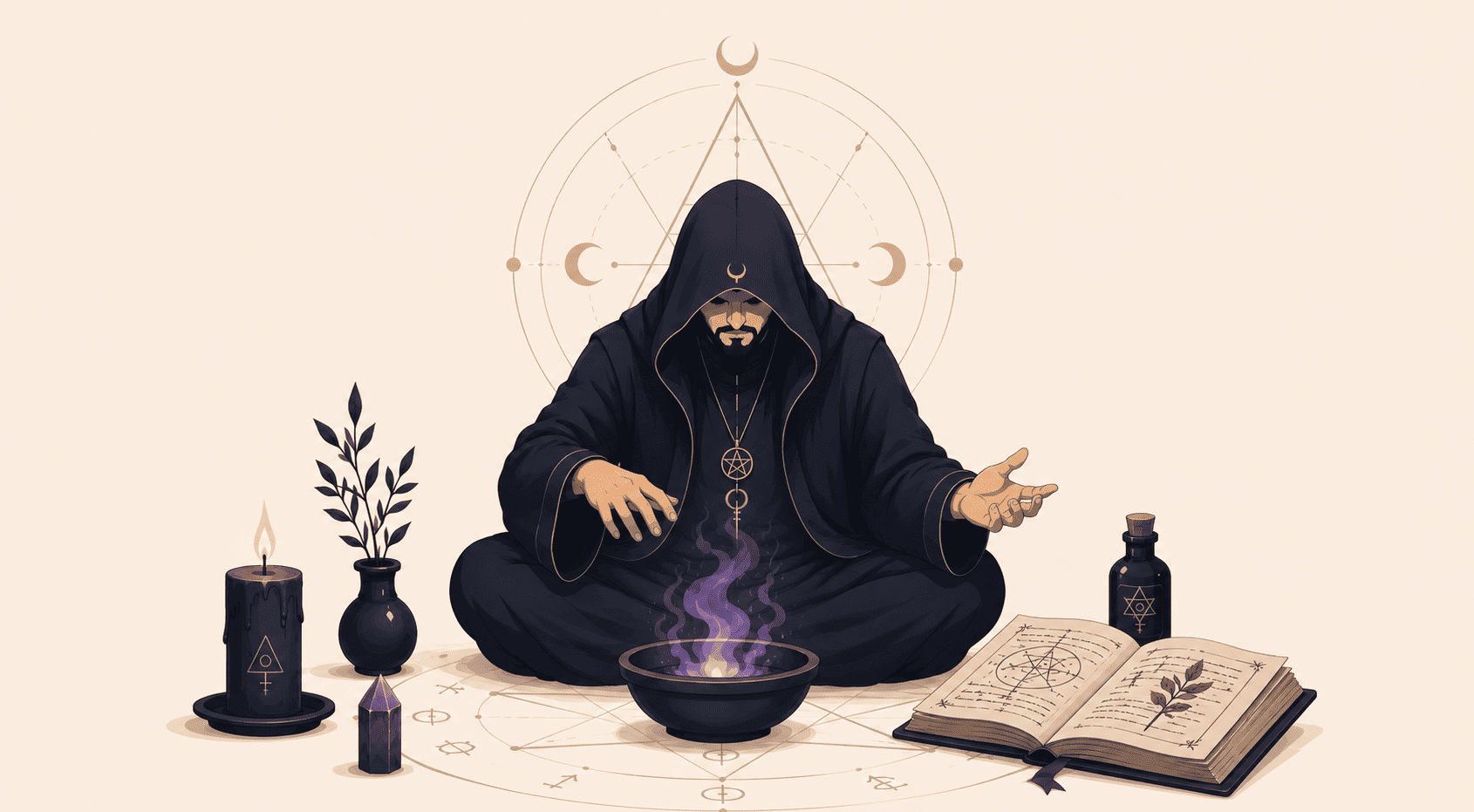
Black magic is a reality acknowledged in Islamic teachings and is considered a harmful act that can negatively affect a person’s life, health, relationships, and peace of mind. Understanding the signs of black magic in Islam can help individuals identify unusual symptoms and seek appropriate Islamic remedies.
Islam not only warns against the dangers of black magic but also provides guidance on protection and healing through the Quran and authentic Sunnah. Learning about black magic in Islam enables Muslims to strengthen their faith and seek refuge in Allah.
What is Black Magic?
Black magic in Islam refers to the use of supernatural means, often involving jinn, evil intentions, or forbidden practices, to cause harm to others. It is known as sihr in Arabic and is strictly prohibited in Islam. Those who practice black magic attempt to influence emotions, health, relationships, or circumstances through unlawful methods.
Black magic according to Islam is considered a major sin because it involves seeking assistance from sources other than Allah and often leads people away from the path of righteousness. The Quran and Hadith contain several references warning believers against engaging in or seeking black magic.
What are the Types of Black Magic in Islam?
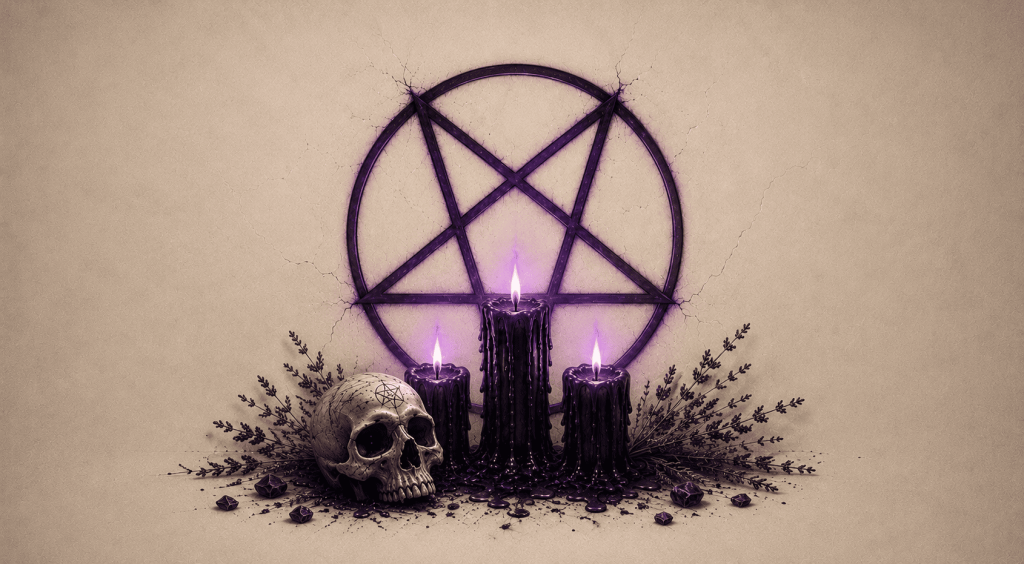
Islamic scholars have identified various forms of black magic that can affect individuals in different ways. Some of the common types include:
(i.) Separation Magic (Sihr al-Tafreeq)
This type of black magic is intended to create conflicts and hatred between people, especially spouses. Victims may suddenly experience constant arguments, misunderstandings, and emotional distance without any apparent reason.
(ii.) Love Magic (Sihr al-Mahabbah)
Love magic is used to make a person excessively attached or obsessed with another individual. While it may appear beneficial, it manipulates emotions unnaturally and is forbidden in Islam.
(iii.) Illness-Inducing Magic
Certain forms of black magic aim to cause physical or psychological suffering. Affected individuals may experience unexplained pain, fatigue, anxiety, or recurring health issues that do not respond to conventional treatments.
(iv.) Obstruction and Misfortune Magic
This form of black magic seeks to block success in areas such as marriage, employment, education, or finances. Victims often encounter repeated failures and obstacles despite their sincere efforts.
What are the Signs of Black Magic in Islam?
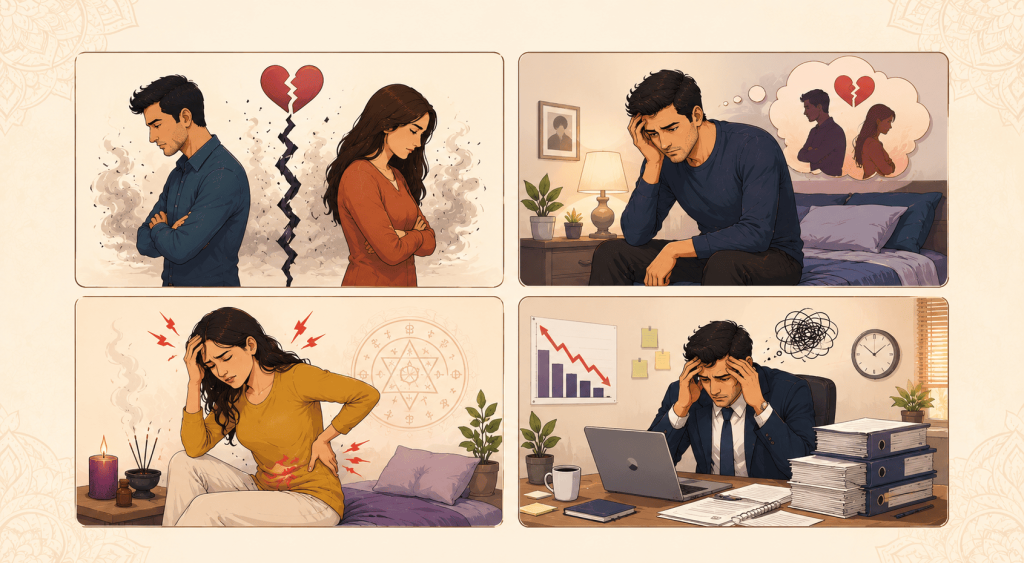
Recognizing the symptoms can help individuals determine whether they should seek spiritual guidance. While not every difficulty indicates black magic, the following are commonly mentioned Signs of Black Magic in Islam –
(i.) Sudden Changes in Behavior and Personality
A person may become unusually angry, depressed, withdrawn, or hostile without a clear reason. Family members often notice drastic personality changes that seem out of character.
(ii.) Constant Nightmares and Disturbing Dreams
Frequent nightmares involving snakes, dark figures, falling, graveyards, or being chased are often cited among the signs of sihir in Islam. Such dreams may occur repeatedly and disturb a person’s sleep.
(iii.) Unexplained Physical Symptoms
Persistent headaches, body pain, fatigue, dizziness, or feelings of heaviness without a medical explanation can sometimes be associated with spiritual afflictions.
(iv.) Relationship Problems and Isolation
Victims may experience sudden hatred toward loved ones, especially spouses, family members, or close friends. Relationships that were previously healthy may become strained without any obvious cause.
(v.) Difficulty in Worship
One of the commonly reported black magic in Islam signs is a sudden aversion to prayer, Quran recitation, or acts of worship. The person may feel restless, distracted, or uncomfortable when engaging in religious activities.
Understanding these symptoms helps Muslims differentiate between ordinary life challenges and potential spiritual concerns related to black magic and Islam.
How to Protect Yourself from Black Magic?
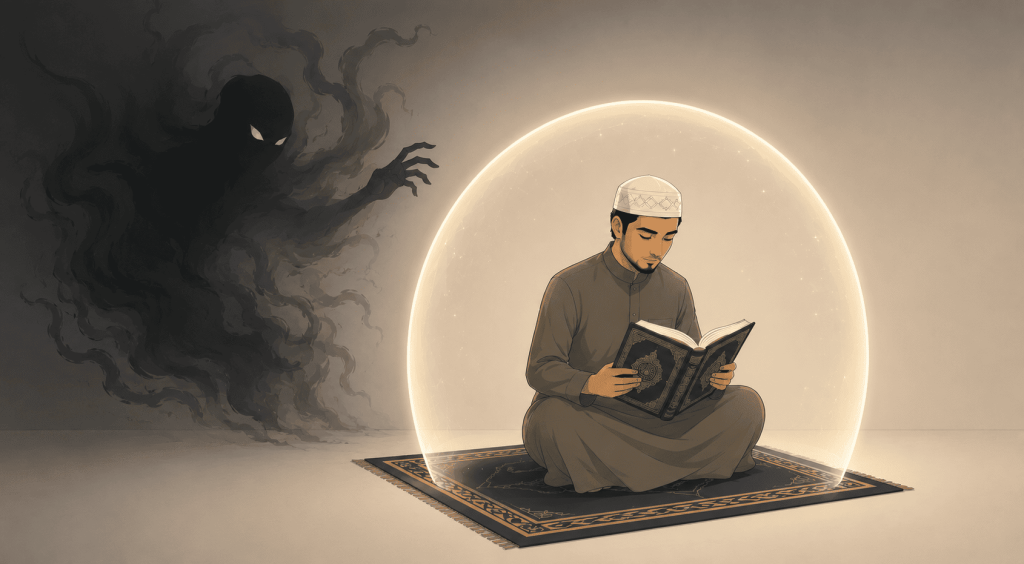
Islam provides powerful methods of protection against evil influences and serves as the foundation for black magic cure in Islam through faith, prayer, and Quranic recitation. The following practices are recommended:
(i.) Regular Recitation of the Quran
The connection between black magic and Quran is significant because the Quran serves as a source of healing and protection. Reciting Surah Al-Baqarah regularly is particularly recommended, as authentic narrations mention its protective benefits against harmful influences.
When discussing the Quran on black magic, Surah Al-Falaq and Surah An-Nas these two chapters are especially important. They were revealed as a means of seeking refuge in Allah from evil, envy, and harmful spiritual influences.
Key Verse (Ayat al-Kursi – 2:255):
Urdu: اللہ کے سوا کوئی معبود نہیں، وہ زندہ اور سب کو قائم رکھنے والا ہے۔
English: Allah—there is no deity except Him, the Ever-Living, the Sustainer of all existence.
Surah An-Nas Key Verse:
Urdu: کہو: میں لوگوں کے رب کی پناہ مانگتا ہوں۔
English: Say, “I seek refuge in the Lord of mankind.
(ii.) Recite Morning and Evening Adhkar
Daily remembrance of Allah through authentic supplications creates a spiritual shield. Consistently reciting morning and evening adhkar helps protect believers from various forms of harm.
(iii.) Maintain Strong Faith and Trust in Allah
Strengthening one’s relationship with Allah through prayer, repentance, charity, and obedience is among the greatest forms of protection. A believer who regularly remembers Allah is less vulnerable to spiritual harm.
(iv.) Seek Protection Through Authentic Ruqyah
Ruqyah is a Quran-based practice that many Muslims turn to when seeking protection from black magic, the evil eye, and other spiritual harms. It involves reciting specific verses of the Quran and supplications while placing complete trust in Allah’s power to heal and protect. If you are looking for guidance on authentic ruqyah and Islamic healing, platforms like Sukoon can help you access reliable resources and support grounded in the Quran and Sunnah.
FAQs –
1. Is there any Hadith that confirms the existence of black magic?
Yes, authentic Hadith narrations mention that the Prophet Muhammad ﷺ was affected by magic, demonstrating that black magic is a real phenomenon acknowledged in Islam.
2. Is practicing black magic considered a major sin in Islam?
Yes, black magic (sihr) is strictly prohibited in Islam and is regarded as one of the gravest sins.
3. Can black magic affect anyone?
Islam teaches that no harm can reach a person except by Allah’s permission. However, believers are encouraged to seek protection through faith and remembrance of Allah.
4. Should I consult a Ruqyah practitioner if I suspect black magic?
If concerns persist, seeking guidance from a trustworthy and Quran-based Ruqyah practitioner can be beneficial while maintaining reliance on Allah.
Conclusion
Islam acknowledges the existence of black magic while strongly condemning its practice. Understanding the signs, causes, and remedies allows Muslims to protect themselves and their families from harm. By following the teachings of the Quran, maintaining regular worship, and placing trust in Allah, believers can safeguard themselves against the effects of black magic in Islam and strengthen their spiritual well-being.